

How To Know If You Should Drive Or Tow Your Car After An Accident
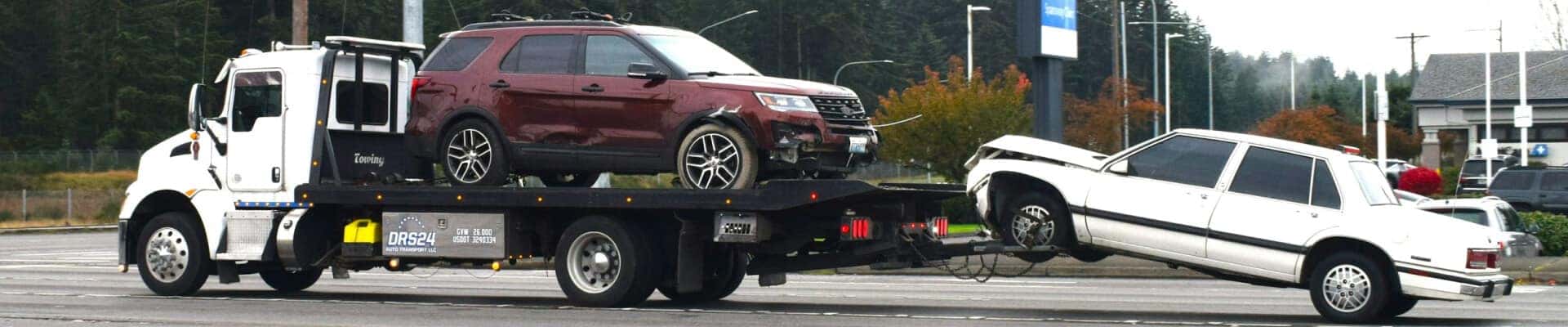
After you’ve been in an accident, towing or driving away from the crash scene is one of the most significant decisions you will have to make. How do you know if you should drive your car away? Is it safe? Is it legal? Perhaps more importantly, do you feel okay to drive? Read this guide from Sunroad Collision Center to help make the most informed and safe decision.
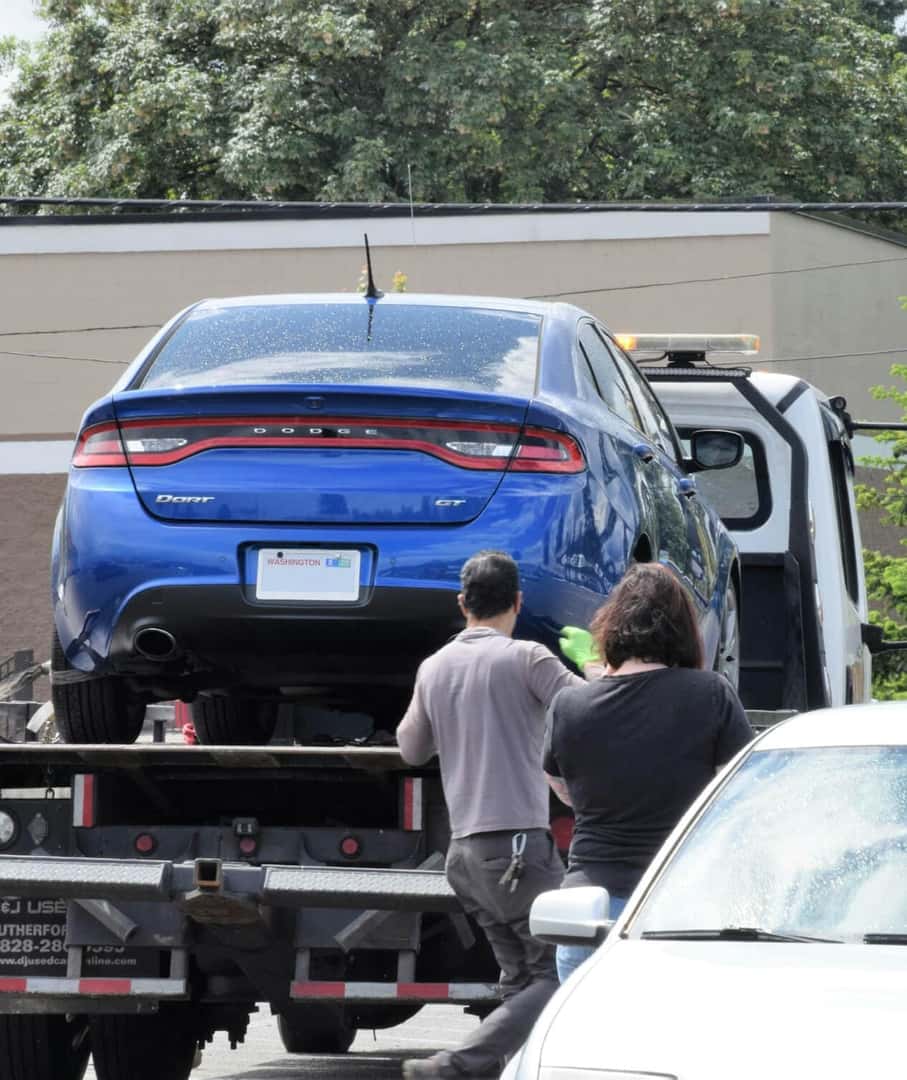
Driving vs. Towing Your Car After an Accident
So, you’ve just been in an accident. Your heart is still racing, your hands are probably shaking, and now you’re staring at your vehicle wondering… Can I still drive this thing? Or should I call a tow truck?
The honest truth is that the answer isn’t always obvious. Sometimes, your car can look fine on the outside, but underneath, it can harbor hidden structural issues that make driving unsafe. Other times, it’s clear that your vehicle isn’t drivable because of significant damage.
After a crash or accident, towing vs. driving should be carefully considered, especially regarding safety. Not just your safety, but also that of other drivers on the road. If your brake lights aren’t working or you can’t steer properly, for example, then it’s best to arrange for a tow.
Aside from the car’s condition, you’ll likely be pretty shaken up after being in a crash or collision. Even if your car is fine, you might not feel fine driving it.
A general rule of thumb is that if you feel any doubt about driving after an accident, whether because of the condition of the vehicle or your mental state, it’s best to have it towed.
In some states, piloting your car post-collision may be illegal, particularly if visible or significant damage occurs. You can check with local police to learn whether or not your vehicle is legally okay to drive away from the scene of an accident.
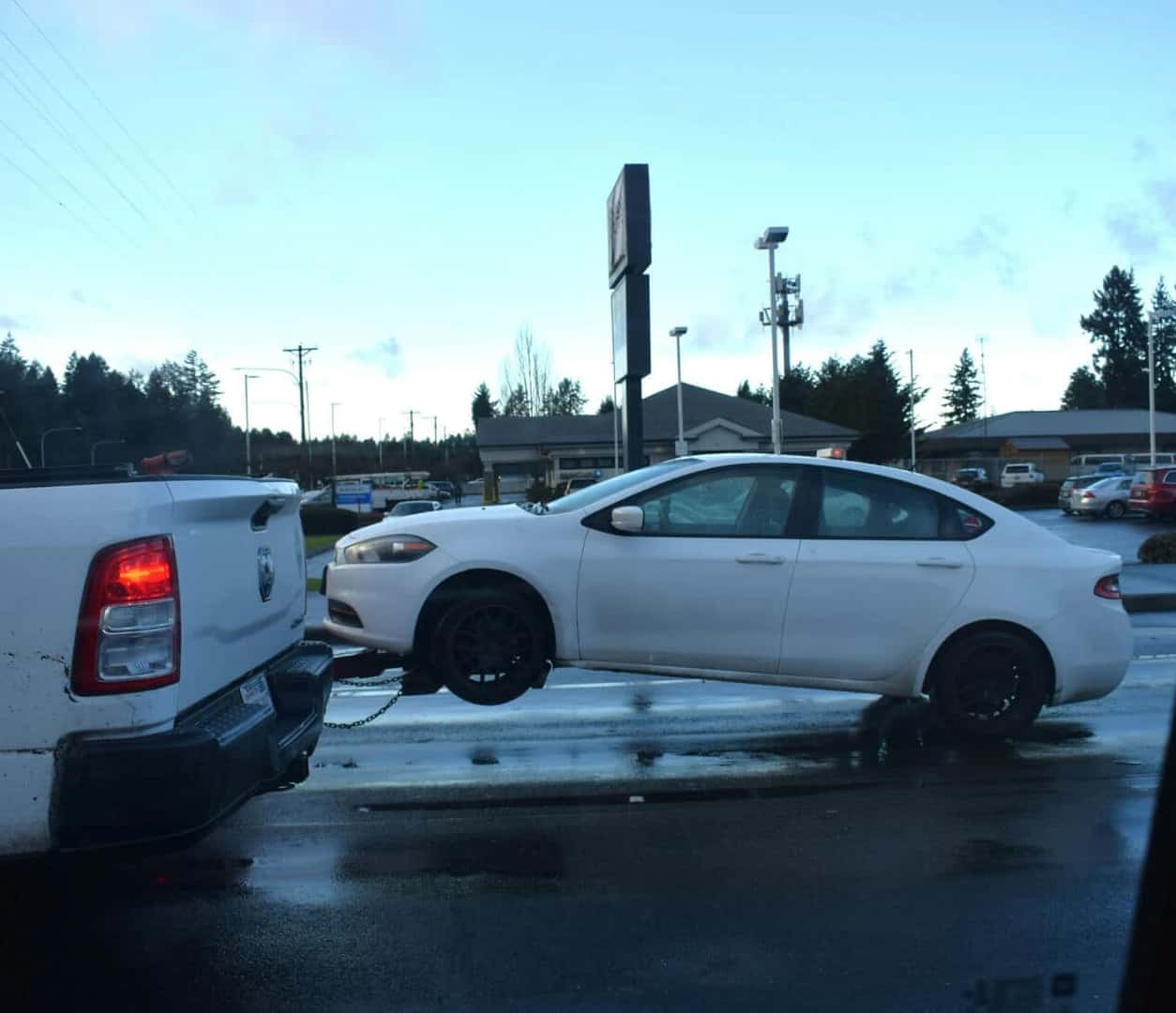
Can Towing Damage Your Car?
There are certain circumstances where towing can damage your car, but this typically isn’t something to worry about when you contact a professional towing service.
When a vehicle is towed improperly, it can critically damage or destroy the drivetrain. Specifically, if a car is flat towed (with all four wheels on the ground) without being designed for it, the experience can compromise or destroy crucial components.
Most towing companies will haul a vehicle away from an accident on a flatbed, which is generally safe for all automobiles. This method involves hoisting the car onto the tow truck’s bed and securing it for transport to the next location.
If you need your ride towed after a wreck, call your insurance or roadside assistance company. These providers often contract with reputable tow companies and can take care of arranging a tow truck for you.
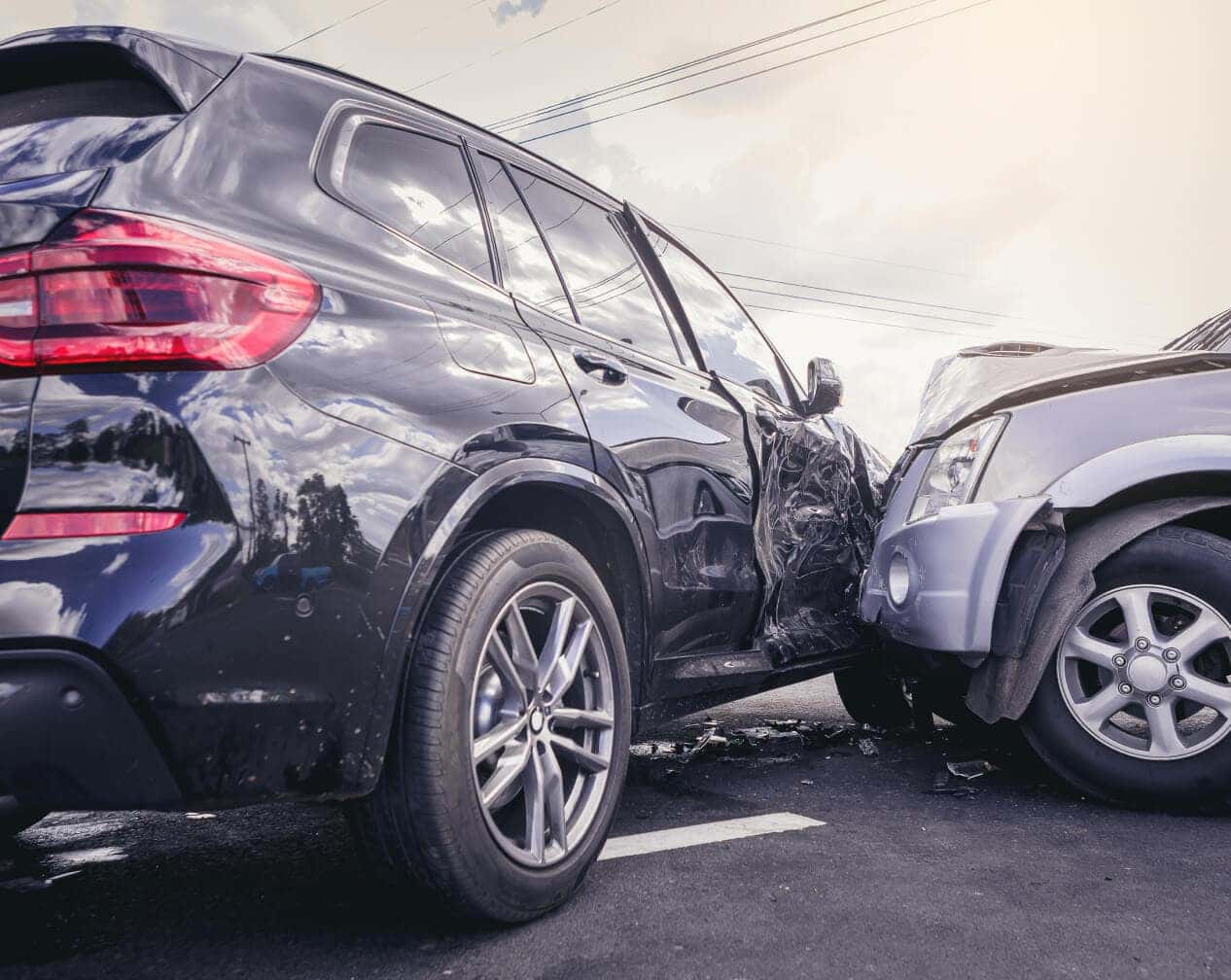
Towing vs. Driving Insurance Coverage
Some insurance plans include towing, but others do not; it’s important to know about your plan before deciding what to do after a crash. Towing can be expensive if it’s not covered under your policy.
Supposing you know that your insurance covers towing and what companies they use, it’s essential to contact your provider first. You don’t want to risk denied claims from not getting prior approval for towing.
Another factor to consider when deciding whether to drive or tow is the ramifications that driving after a collision could have on your insurance. If the accident is serious, calling a tow truck is the best bet, even if you have to pay for it out of pocket. This helps preserve the accident scene and the vehicle’s condition for insurance purposes.
Where Should You Tow Your Car After an Accident?
You should have your automobile towed to a reputable collision center or auto body shop after a crash. If it is transported to a tow yard, you may incur additional fees that could be avoided by just having it taken directly to a shop.
At Sunroad Collision Center, our expert technicians can assess your vehicle damage, give you a free estimate, and coordinate with insurance for claims and repairs. If you’ve been in an accident in the San Diego area, give us a call.