

Will Your Car Insurance Cover Hail Damage?

If you're the victim of a car accident and you're asking about how to know if your car is totaled, it always comes down to cost. In California, when the actual cash value (ACV) of your vehicle is outweighed by the price of the repairs, most car insurance companies won't cover a trip to the auto body shop. On the bright side, if you are not responsible for the accident, you'll receive an insurance payout to replace your car in most cases.
Dealing with extensive damage after an accident can feel overwhelming, but Sunroad Collision Center is here for you as you rebuild. After you reach out or bring your vehicle to us, we'll take over for you, offering affordable quotes, working with insurance companies directly, and providing you with the best options for restoring or replacing your vehicle.
How Do I Know If My Car is Totaled?
Your car is considered totaled when the cost of fixing it exceeds the cost of replacing it. If it is deemed prohibitively expensive, the car will be declared a "total loss" by the insurance company. Sunroad Collision Center understands that this process can be stressful for car owners, especially on top of the anxiety of experiencing a car accident, so we do our best to make the entire process as smooth and accessible as possible. We will take your car in and provide a fair estimate to your insurance company, and then help you understand your options for moving forward.
Whatever the outcome, Sunroad Collision Center aims to send you on your way with a clear grasp of the next steps for repairing or replacing your car. Here's a look at some common queries.

10 Signs My Car Is Totaled
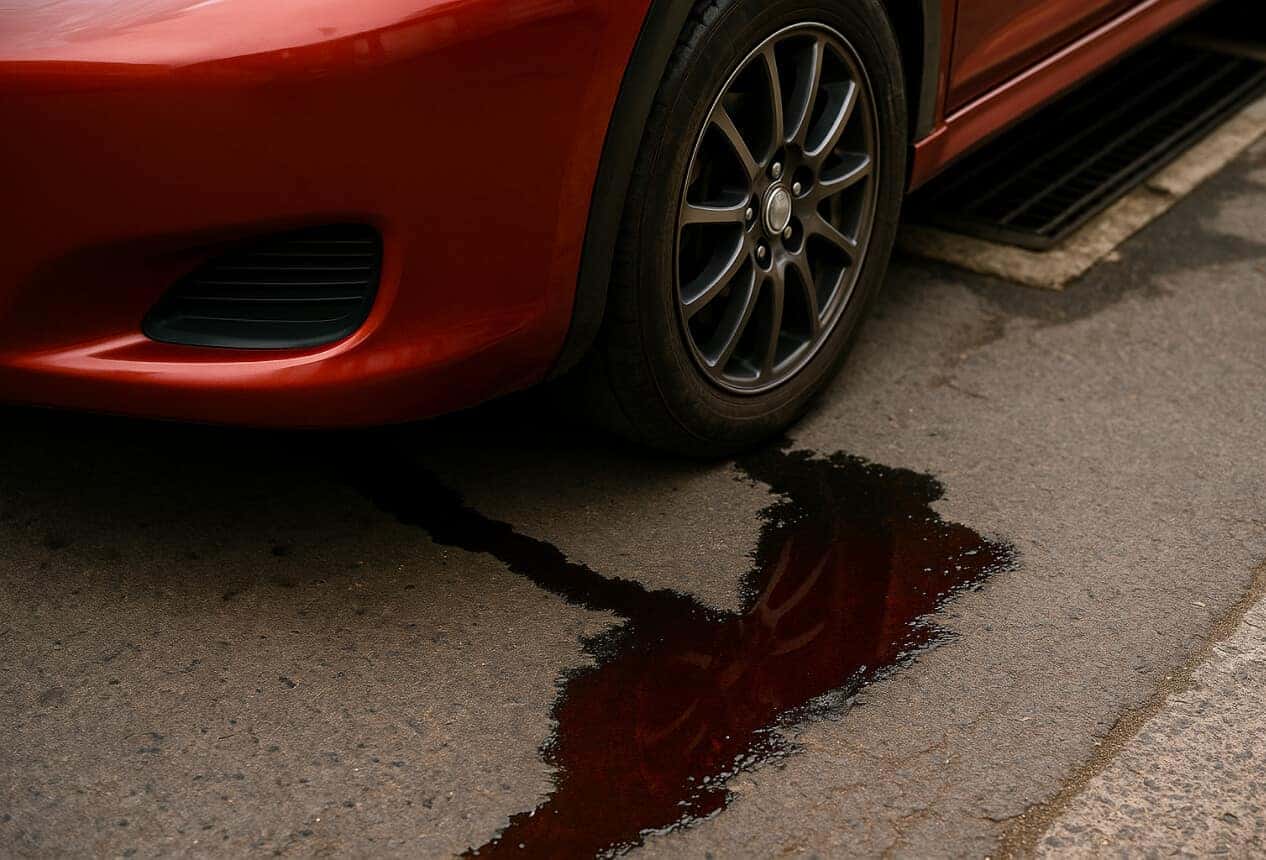
1. Leaking Fluids
Fluids leaking from under the hood or front of a vehicle could point to a cracked oil pan or broken pump system. If antifreeze, brake fluid, coolant fluids, oil, power steering fluid, transmission fluid, or windshield washing liquid is leaking out of the hood after a front-impact accident, it was likely a significant enough collision to cause internal damage.
2. The Engine Doesn't Start
While engines may not fire for several reasons, not starting after an accident could be a bad sign. It could mean that the engine's belt was loosened and the fix is relatively quick, or it could be that the engine itself was hit and needs to be replaced.
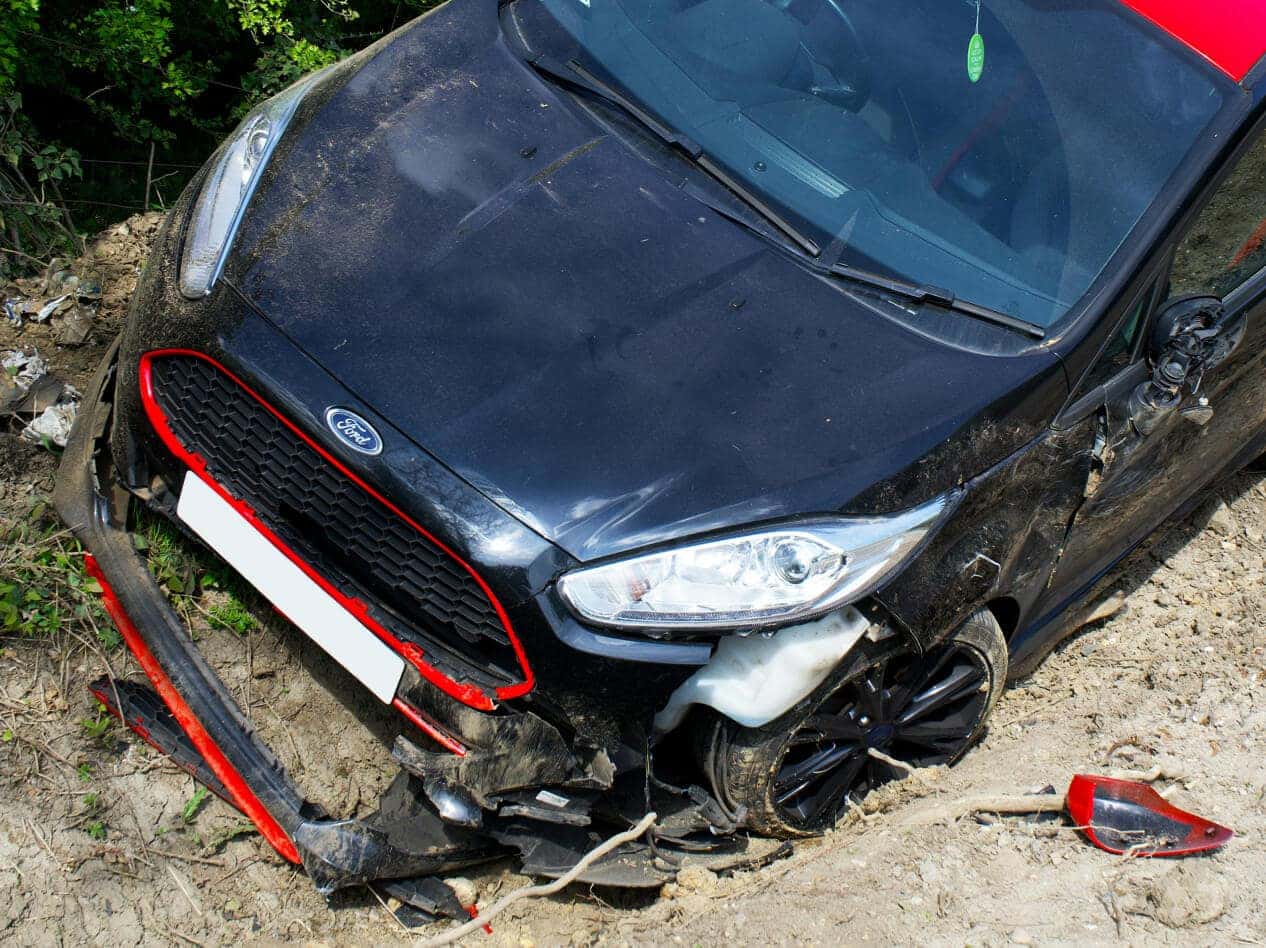
3. Noticeable Crumple Zone Impact
Getting hit in the rear of the vehicle is unlikely to total it, as not many essential components are stored in the back (outside of specific EV models). The front, however, has many more complicated and hard-to-replace elements. If the front's crumple zones (or crush zones) are clearly indented and obviously bent, the chance of the accident reaching the totaled threshold goes up.
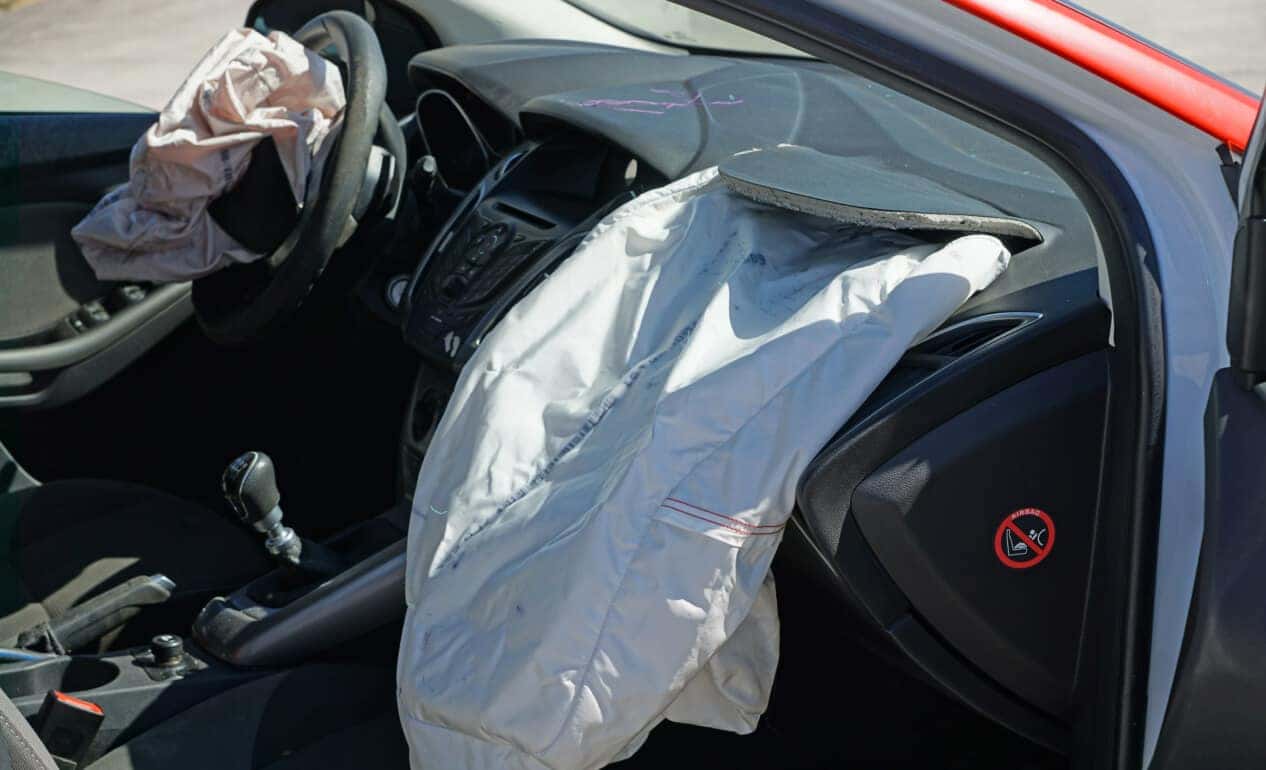
4. The Airbags Deployed
If the accident was intense enough that the airbags fired, it could mean that your vehicle was just jostled enough for emergency systems to activate. However, the airbags themselves are quite expensive to replace, especially if the model is older. And, in most situations, airbags only deploy if there is a fairly significant impact, meaning the crumple zones may have been impacted.
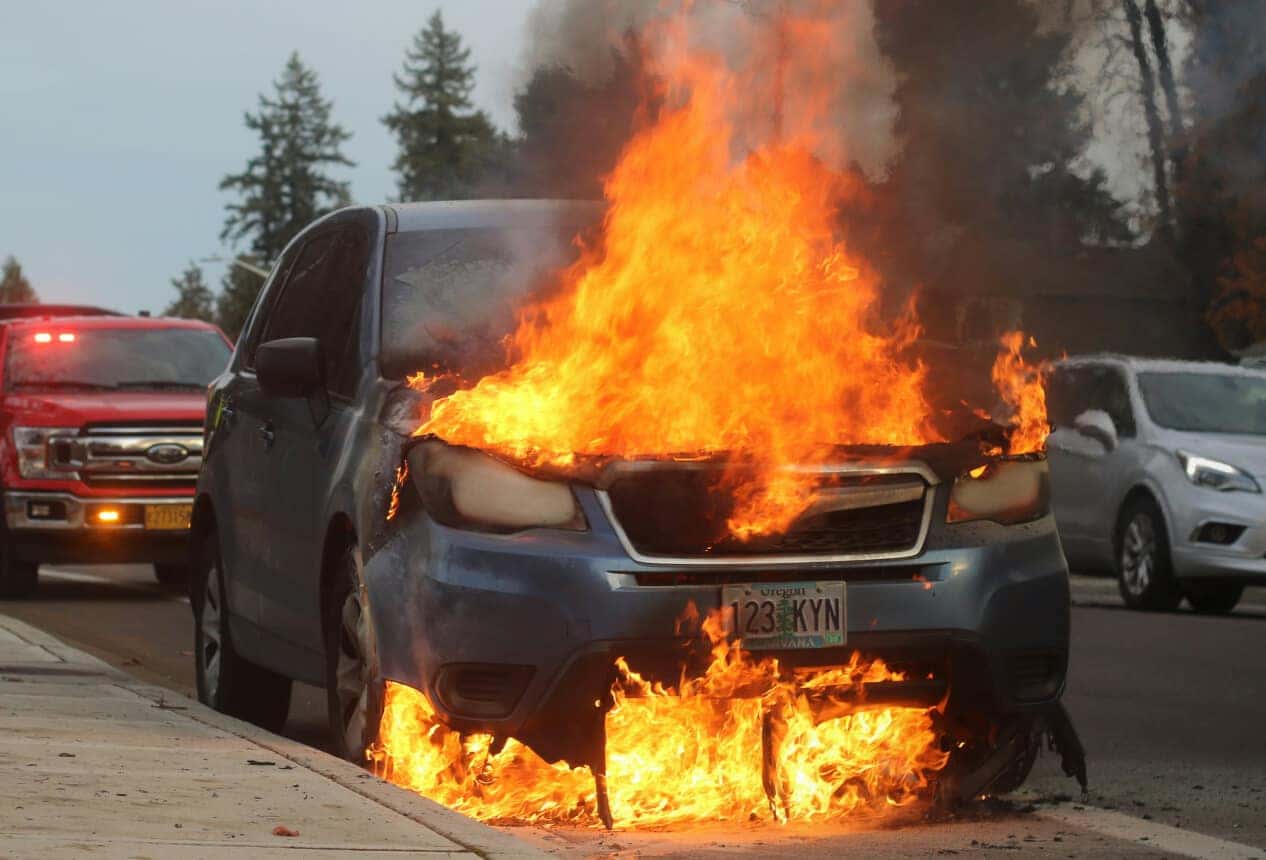
5. Fire or Water Damage
If a vehicle caught on fire or was caught in a flood, the damage would almost certainly be high enough that an insurance agency won't want to cover it. However, if a natural disaster caused the fire or water damage, there's a stronger case for receiving replacement funds, depending on the owner's insurance.
6. Bent or Damaged Frame
A vehicle's frame (the skeleton that holds elements like your door, wheels, and engine in place) is somewhat expensive to repair. If it is impossible to close the door, if the hood no longer latches shut, or if the tire arches get in the way of the wheels, an insurance company is a lot more likely to total the model.
7. The Insides Came Out
This may be obvious. But, if after an accident you notice that parts on the bottom of your model drag, or if pieces shot through into your cabin or through the hood of your car, then it is almost certainly going to be a problematic claim.
8. Difficult to Drive
If the model makes terrifying noises while accelerating, has significant trouble parking, bounces while moving, or lists significantly, the axles, suspension, braking components, and belts were likely damaged. This can range from a relatively simple trip to a collision center to a total.
9. Aged Vehicle
Older models are more complex to fix, typically requiring harder-to-find components and pieces. Insurance tends to go by non-depreciated values to determine if a model is totaled, meaning newer cars have a major advantage over older ones to avoid that designation. If a vehicle is around 10 years old with plenty of miles, accidents that don't necessarily total a brand-new car could total it.
10. Check on Your State Laws
In California, insurance companies are required to use a Total Loss Threshold (TLF) formula to determine if the vehicle is totaled. That means that if the repairs and salvage value of the model exceed the actual cash value of the model, your insurance company can declare it a total loss.
If a Car Has Frame Damage, Is It Totaled?
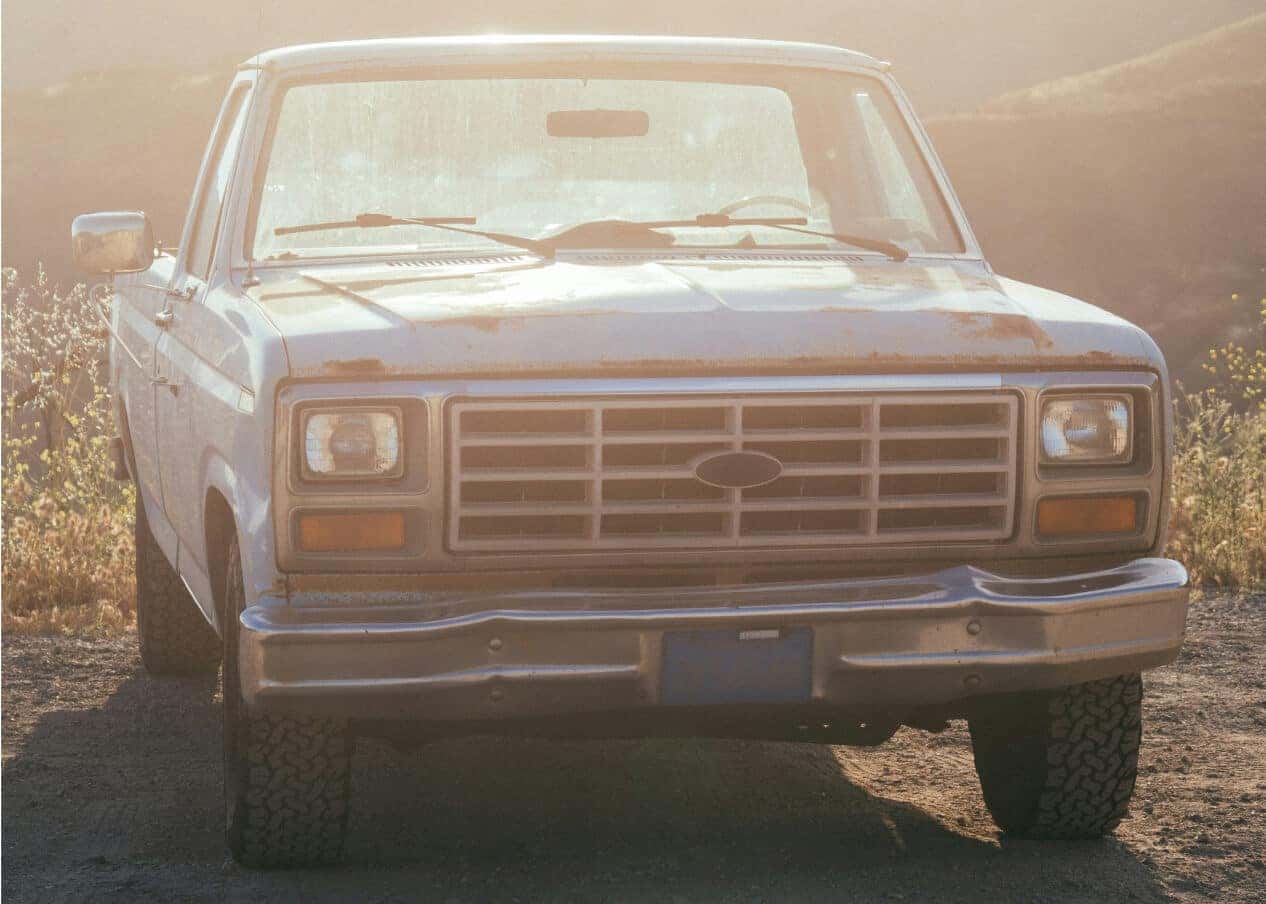
Frame damage does not necessarily mean a car is totaled, but it can be classified as one of the more costly repairs. Your frame – also known as a chassis – is the backbone of your car's structural integrity and can sustain damage in a car accident. For instance, if you are rear-ended, your frame would likely end up compressed.
Driving with a damaged frame could be hazardous and will almost certainly lead to more strain on your alignment and suspension, throwing your tire tread off-balance at a minimum. In other words, if your vehicle requires pricey frame repair after a severe car accident, there's a chance it could be deemed a total loss.
It's always better to be safe on the road. Even if you drive away from an accident with a car that appears unscathed, Sunroad Collision Center highly recommends an inspection at our auto body shop to ensure your frame is in solid shape.
How Does My Insurance Company Determine If My Car Is Totaled?
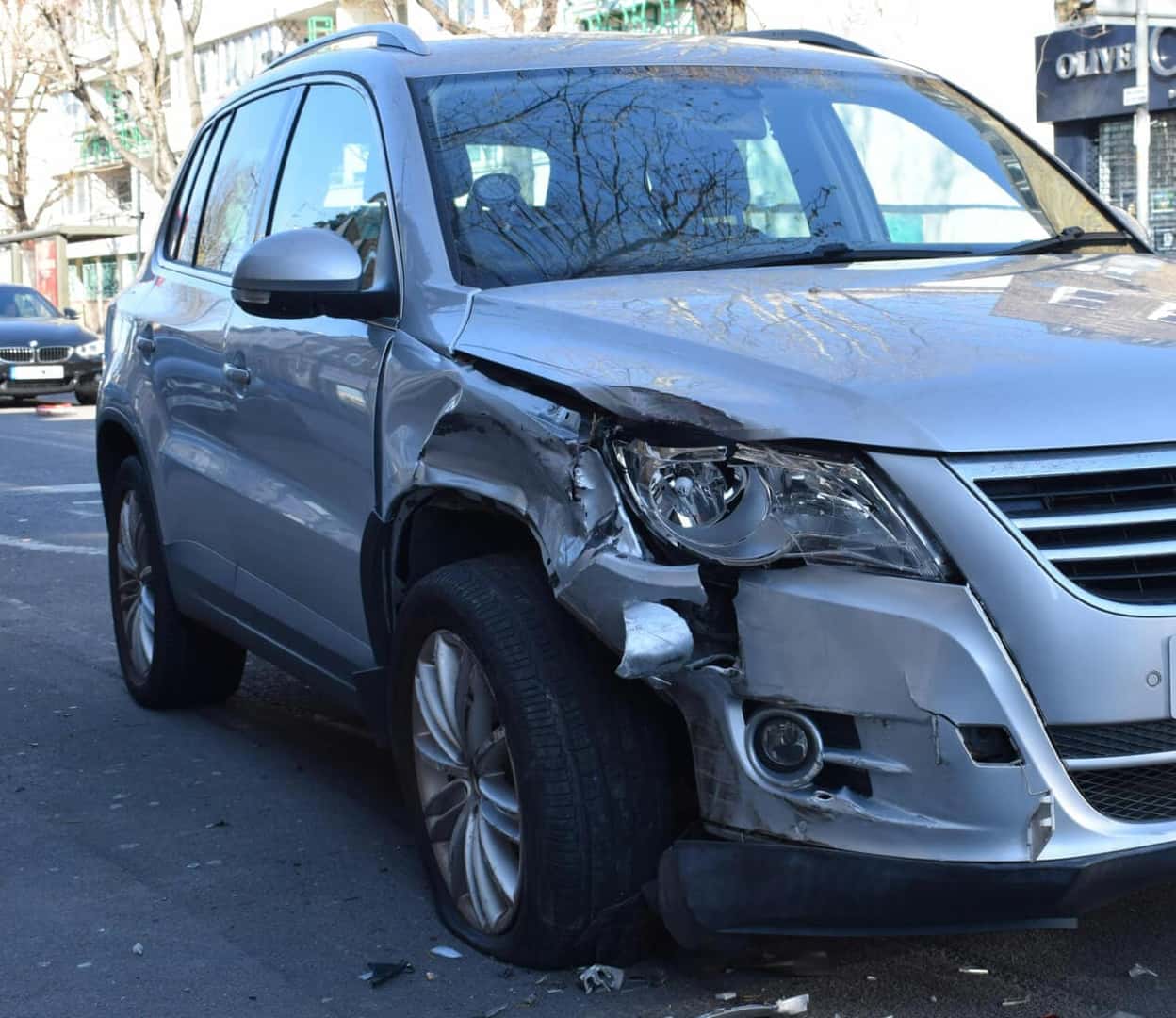
Knowing what makes a car totaled will help you understand your insurance company's claim process if they declare your damaged car a total loss. Although the definition varies slightly from state to state, the general consensus is that an insurance company typically won't pay for repairs that are more expensive than the cost of replacing the vehicle altogether.
As a popular auto body shop in San Diego, Sunroad Collision Center has inspected thousands of cars post-accident, providing prompt and fair estimates. If you need an assessment for your insurance provider, we are the place to go!
What Does ACV Mean?
The acronym "ACV" refers to the "Actual Cash Value" of a model. This number is a stand-in for the market value of the vehicle, taking into account its condition, mileage, depreciation, add-ons, and any damage it might have had from previous owners or incidents – but not the accident that may have totaled it.
In California, insurance dealers have the power to take the ACV of a model and any additional salvage from the wreck and compare it to repair costs to determine whether it's worth trying to recover.

What Happens After a Car Is Considered a Total Loss?
Let's say you get in an accident, bring your car into a collision center, and receive an estimate for repairs. Then, let's say that expense is found to be higher than the cost of your vehicle (or ACV), plus the nearby salvage. In most cases, it will be declared a "total loss" by your insurance company. For situations where you are not at fault for the accident, you will most likely be eligible for the ACV to be fully covered by the at-fault party's insurance.
Sunroad Collision Center is in the business of restoring cars to their former glory. If your car is totaled, we will be there to make the transition as smooth and hassle-free as possible. If the car is salvageable, we will return it to its pre-accident condition.
Sunroad Collision Center Is Here To Help
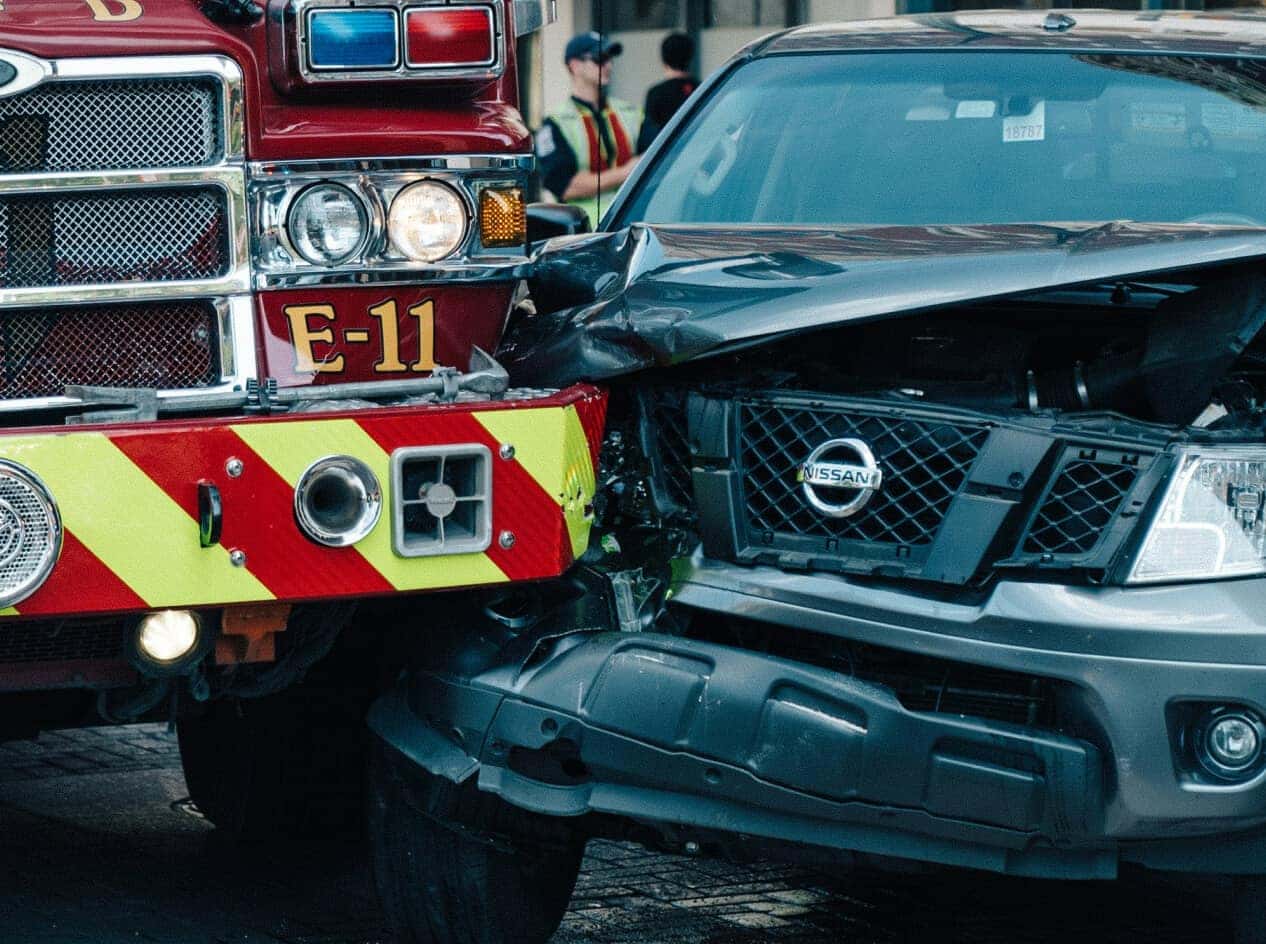
Now that you know what makes a car totaled, you can make more informed decisions for your post-accident vehicle to ensure its safety and longevity. While navigating the process of recovering from the incident, Sunroad Collision Center will help you find your footing. Whether you need your model towed, an intermediary with your insurance company, access to fair and affordable prices, or reliable and top-notch auto restoration, we've got your back.
If the damage after an accident ends up costing more than its actual cash value, we won't leave you high and dry – we'll confirm that you understand how to move forward.
Sunroad Collision Center is where the recovery begins. When you contact or visit us, you take a step toward getting back to your daily routine. We'll take care of the rest.
How to Know if Your Car Is Totaled: Frequently Asked Questions
What does it mean when a car is totaled?
When a car is totaled, it means the vehicle is damaged beyond reasonable repair. In most cases, this means that the cost of repairs would exceed the car's value, making it more economically sound to consider purchasing a different model. This declaration typically comes from the insurance company after being reviewed by a claims adjuster or certified technician, like those who staff our Sunroad Collision Center facility.
What happens when my car is declared totaled?
When your car is declared totaled, the insurance company will decide on the next steps, depending on your circumstances and policy. In some cases, the insurance company may reimburse some or all of the car's value, providing you with a substantial amount to purchase a new vehicle. Our Financial Services department can provide you with a clear understanding of your next steps based on your policy.
Can hidden or frame damage cause a car to be totaled even if visible damage seems minor?
Yes, a car can be totaled even if visible damage seems minor. This can be true in the case of flooding, for example, where a model may have been submerged in water, but upon being dry for several weeks or months, it may appear in fine condition. It's vital to have your vehicle inspected and reviewed for possible causes of the damage to ensure there are no larger issues present.
What steps should I take after my car is totaled?
After your car is declared totaled, your next steps will typically include working with the insurance company to see how much you may be entitled to, according to your policy. However, the steps can vary depending on your policy and benefits. Read out to our Sunroad Collision Center specialists for further details on your potential options and what you can expect from your experience.
What does "totaled car" mean?
Insurance companies deem "totaled cars" when repairs aren't enough to restore the vehicle's integrity after an accident. Depending on the state and accident, this typically means there was significant engine damage, frame bending, and/or component malfunctions to the point where the company doesn't believe it's worth the cost. In California, this means that the wreck and salvage value are less than the repair estimation.
What does "ACV" mean?
"ACV" refers to the "Actual Cash Value" of your vehicle. Specifically, it takes the market price of your model and factors in depreciation, mileage, add-ons, damage, paint, and any other element required to reach the price that you could expect to get – in cash – if you sold your model today. Insurance uses this to calculate damages, and occasionally to negotiate with collision centers for repairs.